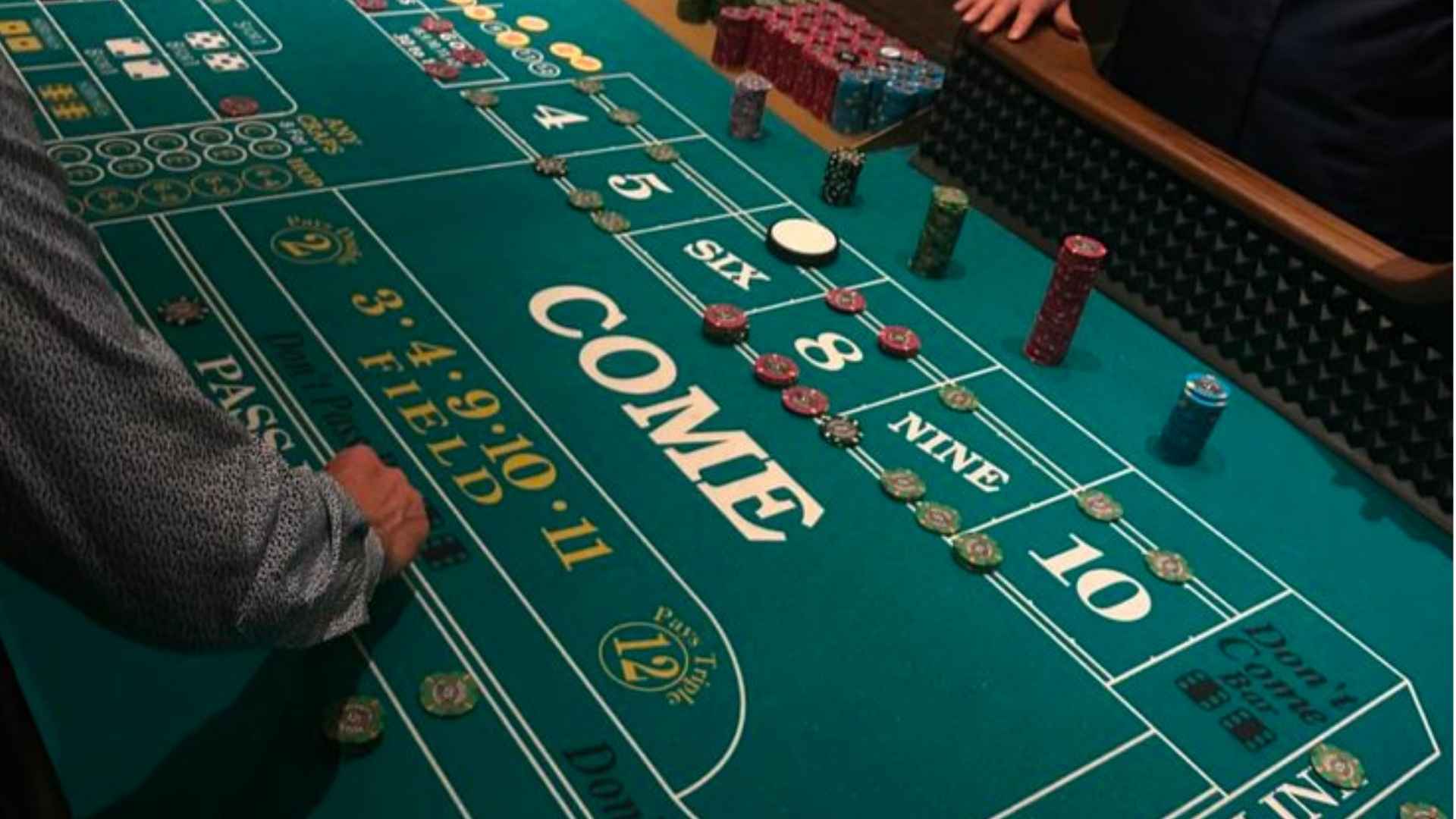
In our fast-paced modern world, finding effective ways to slow down and sharpen our minds has become more important than ever. Table games offer a remarkable, hands-on solution that challenges our mental endurance while keeping us deeply engaged. By stepping away from digital screens and gathering around a physical surface, players can naturally develop a stronger sense of mindfulness and self-discipline.
The Cognitive Benefits of Deliberate Play
Engaging in tabletop activities requires a level of concentrated attention that is rarely demanded by passive entertainment. Unlike fast-paced digital media that encourages rapid scanning, analog games force you to sit with a single problem for extended periods. This deliberate pace trains the brain to ignore external distractions and focus entirely on the immediate task at hand.
Over time, regular players often report a noticeable improvement in their daily productivity and ability to manage complex projects. By repeatedly practicing sustained concentration in a relaxed setting, you build cognitive resilience that carries over into your professional and academic life. Ultimately, these games serve as a friendly mental gymnasium for cultivating a quieter, more capable mind.
Sharpening Tactical Discipline with Chess
Chess stands as the ultimate testament to the power of strategic foresight and absolute patience. Every single move demands that you calculate multiple potential responses from your opponent while maintaining a clear long-term objective. This necessity prevents impulsive actions and teaches players to value careful preparation over immediate gratification.
Losing focus for even a single turn can completely alter the course of the match, reinforcing the importance of constant vigilance. This intense mental workout helps individuals learn how to manage stress under pressure and think several steps ahead. For those looking to apply these refined strategic skills in interactive online environments, finding a secure platform like the M88 Msports Login can provide an excellent avenue to test your tactical precision.
Cultivating Patience Through Tile and Card Games
Classic tile-matching systems and traditional card games also play a vital role in developing emotional control. Games like Mahjong or cooperative card challenges require players to carefully track discarded pieces and memorize subtle patterns. This process demands a calm demeanor, as success relies heavily on waiting for the perfect opportunity to execute your plan.
When the tiles or cards do not fall in your favor, you are forced to adapt your strategy rather than react with frustration. This exercise teaches a valuable life lesson about accepting variables beyond your control while maximizing your current resources. Consequently, players build a healthier relationship with delayed gratification and learn to enjoy the slow journey toward victory.
Building Social Connection and Mental Stamina
Many of the best focus-driven board games are designed to be enjoyed with a group of close friends or family members. Sitting face-to-face encourages active listening and teaches players to read subtle physical cues and facial expressions. This social dynamic adds an extra layer of cognitive complexity, requiring you to remain attentive even when it is not your turn.
By learning to wait patiently for others to make their moves, participants develop stronger interpersonal skills and mutual respect. The shared silence during critical moments of decision-making creates a unique bond that digital communication struggle to replicate. In the end, investing your time in these classic pastimes nourishes both your mind and your relationships.